
Projects
Below are projects currently available to students. When you find a project that interests you, please fill out the request form.
If you have signed up for a project, you will receive an email with more details soon.

An Uphill Tale of Partial Success
Description:
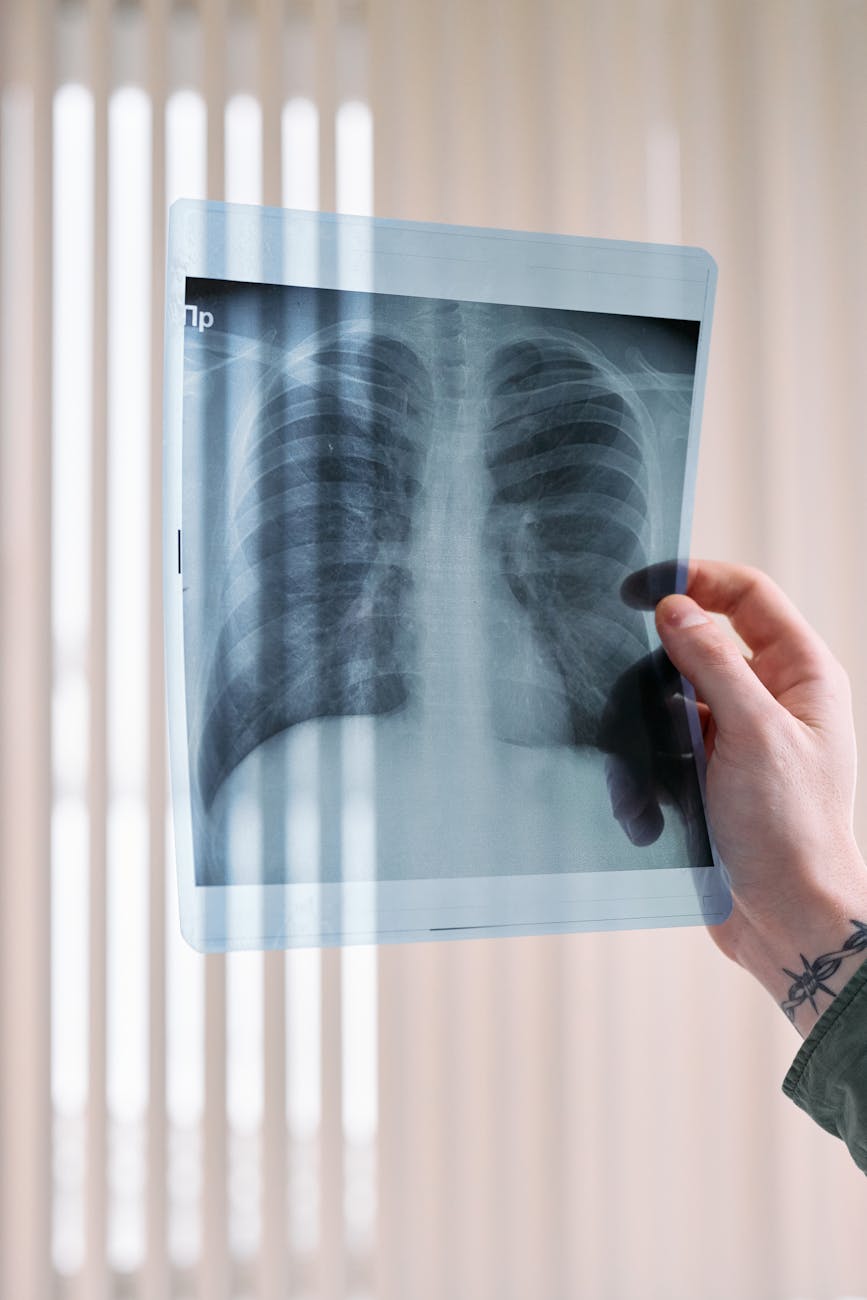
This case follows a patient with moderately differentiated squamous cell carcinoma in the left lung. Systemic treatment with pembrolizumab was administered and follow-up imaging showed no hypermetabolic activity. Sadly, a new lung nodule grew and the patient passed away last year due to congestive heart failure. Still, this shows the potential of targeted therapies to increase survival.
Pembrolizumab makes us ponder
Description:
This case follows a patient with a high-grade lung adenocarcinoma. After around a year of treatment, there was no more evidence of the lung nodule; however, a few years later she was diagnosed with esophageal cancer. This raises an important question: are treatments now so advanced that the worries of lung cancer patients mirror those of the general population?

Coming Soon
Description:

Living with Orphan Cancer
Description:
Orphan cancers are rare cancers affecting less than 200,000 people in the US. They aren’t many studies for these diseases, making it difficult to decide on treatments. Here, we follow a patient with peritoneal carcinomatosis arising from the ovaries. She underwent major surgery and has stable disease almost 8 years after initial presentation.

Lung cancer Treatment at Almost Ninety Years
Description:
Studies show that elderly patients have lower survival times and worse prognosis; however, targeted therapies greatly improve outcomes. In this case, an 88 year old patient with stage 3 non-small cell lung cancer survived for around 3 years with 2 years of immune checkpoint inhibitor pembrolizumab.
need for Flexibility in Treatment
Description:
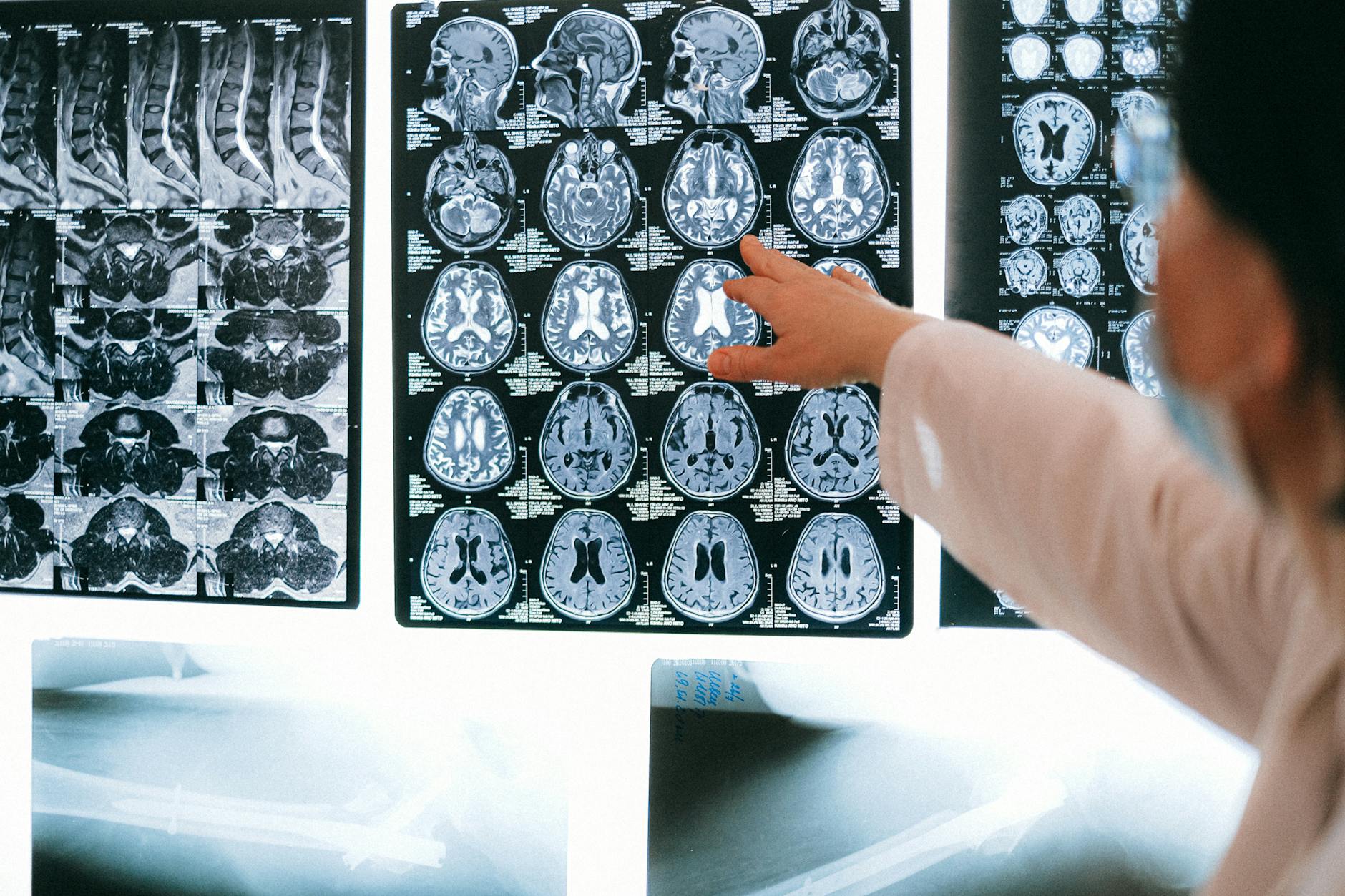
It can take a long time for pathology results to come back, leaving doubts about when to start treatment. In this case, we follow a patient with a hypothalamic enhancing mass (brain tumor). She was treated as having Langerhans cell histiocytosis (LCH) and given empiric treatment, with excellent response. This highlights the effectiveness of treating cancer even without pathology confirmation.

From Remission to Resolution
Description:
Advances in targeted therapies have significantly improved survival outcomes for cancer patients. This raises the question: when should we (or should we) discontinue treatment? This case follows a breast cancer patient who had a good response to medications (trastuzumab, pertuzumab) with no new disease but still wanted to continue receiving treatment.

Treatment of stage iV Lung Cancer in Octogenarian
Description:
Older patients are not typically included in clinical trials because they aren’t expected to handle second-line treatment well. In this case, an 80 year old patient with stage IV lung adenocarcinoma and gastrointestinal stromal tumor (GIST) had a good response to immune checkpoint inhibitors and has been relatively healthy for 5 years. This shows the potential of targeted therapies to improve elderly patients’ survival time.

Paramount Achievement with Pembrolizumab
Description:
This case highlights the advances in lung cancer treatments such as pembrolizumab, an immune checkpoint inhibitor. We follow a patient who had a malignant lung mass. After just 3 months of pembrolizumab treatment, he has been recurrence- and symptom-free for 5 years.
 Carroll CARES